
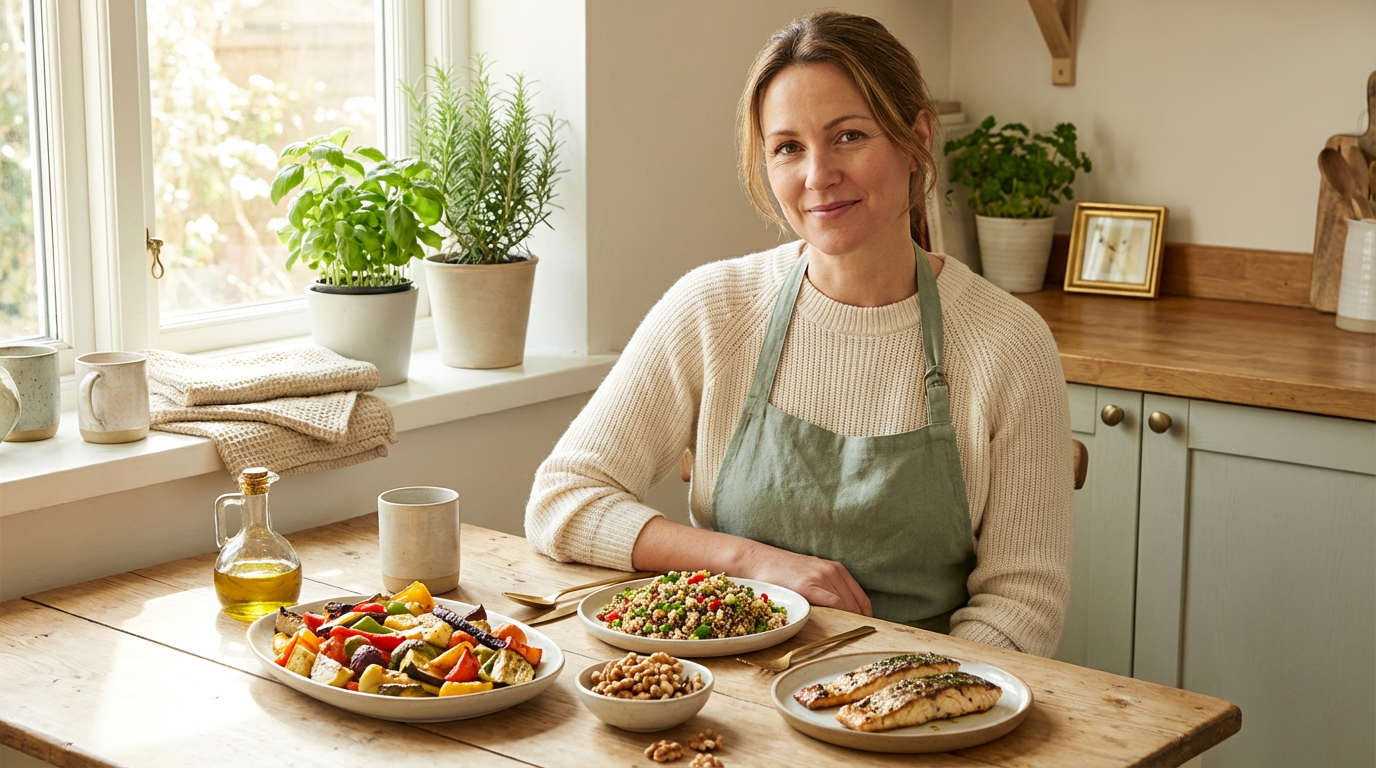
What you eat during perimenopause can meaningfully influence your symptoms and long-term health. Prioritise whole foods rich in protein, fibre, calcium, and healthy fats — and limit alcohol, added sugars, and ultra-processed foods. Nutrition works best alongside personalised medical care tailored to where you are in your menopause journey.
If you've noticed your body responding differently to food lately — more weight gain despite eating the same way, disrupted sleep, or mood swings that seem to come out of nowhere — you're not imagining it. Perimenopause, the transitional phase leading up to menopause, brings hormonal fluctuations that affect metabolism, bone density, cardiovascular health, and how your body processes food. A well-considered perimenopause diet is one of the most accessible tools you have to ease this transition. Research published in Nutrients confirms that dietary therapy should be an integral part of care during this life stage [1]. This article walks you through what to eat, what to limit, and why it matters.
Table of Contents
- What Changes During Perimenopause?
- The Best Foods for Perimenopause
- Foods to Limit
- The Mediterranean Diet and Hormonal Health
- Lifestyle Habits That Work Alongside Nutrition
- When Diet Alone Isn't Enough
- Frequently Asked Questions
- Conclusion
What Changes During Perimenopause?
Perimenopause is the phase before menopause when oestrogen and progesterone levels begin to fluctuate. It typically starts in your mid-to-late 40s and lasts anywhere from a few years to a decade. Menopause itself is confirmed only once you've gone 12 consecutive months without a period.
This hormonal variability drives irregular periods, hot flushes, sleep disorders, and shifts in bone and cardiovascular health. As oestrogen levels change, so do your nutritional needs.
Metabolism and Weight
Research suggests oestrogen decline reduces your basal metabolic rate by approximately 250–300 kcal per day [1]. The same eating habits that served you at 35 may not serve you at 45. This isn't a willpower issue — it's a biological shift. Dietary and lifestyle modifications may reduce cardiovascular risk by 14–28% in this population [1], making early dietary attention worthwhile.
Bone Health
Falling oestrogen accelerates the rate at which calcium leaves bones, increasing the risk of osteoporosis. Getting adequate calcium and vitamin D through food — and supplementation where indicated — becomes especially important now.
Not sure where to start? Our naturopaths and nutritionists can help you understand which dietary changes will make the biggest difference — and our doctors can discuss any medical support you may need. Book a bulk-billed consultation — no referral needed.
The Best Foods for Perimenopause
Protein at Every Meal
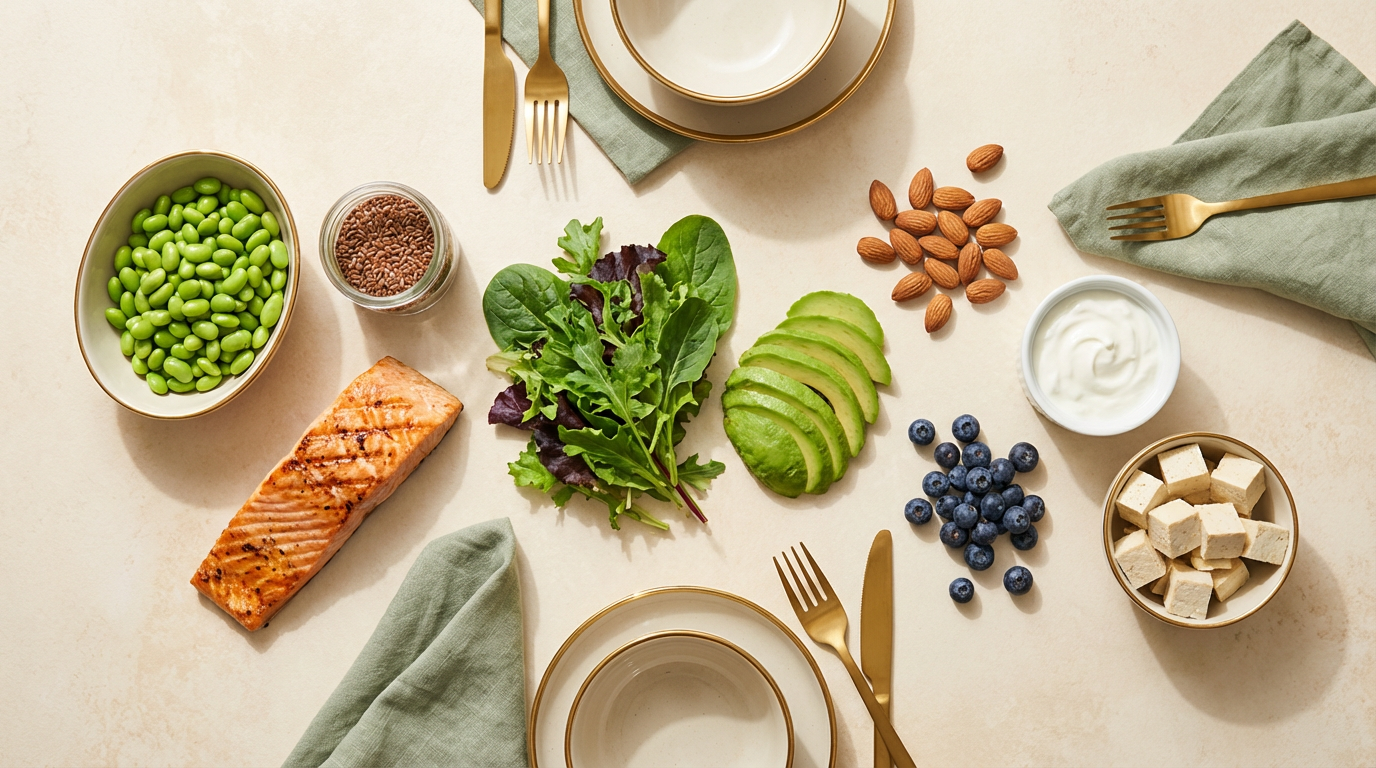
Muscle mass declines more rapidly during perimenopause, and adequate protein intake helps counteract this. Aim for at least 1–1.2 g of protein per kilogram of body weight daily [1]. Good sources include lean poultry, fish, eggs, Greek yogurt, legumes, and tofu. Protein at each meal stabilises blood sugar and keeps fatigue at bay.
Fibre-Rich Foods
Fibre regulates blood sugar, feeds beneficial gut bacteria, and assists in the elimination of excess oestrogen. Evidence suggests plant-predominant diets emphasising whole grains, fruits, and vegetables may support vasomotor symptoms and reduce depressive symptoms [2]. Practical sources: oats, lentils, chickpeas, leafy greens, berries, and wholegrain bread.
Tip: Aim for variety in your plant foods — diversity supports a healthier gut microbiome, which in turn influences hormone balance.
Calcium and Vitamin D
Women in perimenopause need around 1,200 mg of calcium daily, from food first. Good sources include dairy products, canned sardines and salmon, firm tofu, almonds, and leafy greens like kale. Vitamin D is essential for calcium absorption; co-supplementation reliably supports bone mineral density and reduces fracture risk [2]. If you're not getting adequate sun exposure, speak with your doctor about supplementation.
Omega-3 Fatty Acids
Omega-3s — found in oily fish (salmon, mackerel, sardines), walnuts, flaxseeds, and chia seeds — may support cardiovascular health and help with mood swings and anxiety. Aim for at least two serves of oily fish per week.
Phytoestrogens: Soy and Flaxseeds
Phytoestrogens are plant compounds that weakly mimic oestrogen. Soy products — tofu, tempeh, edamame, miso — contain isoflavones that some research suggests may modestly reduce hot flush frequency and severity [1]. Flaxseeds provide additional lignans, fibre, and omega-3s. Responses to phytoestrogens vary, so including these foods as part of a balanced diet is a sensible approach.
Note: If you have a history of hormone-sensitive breast cancer, discuss soy intake with your doctor before making significant dietary changes.
Healthy Fats
Avocados, extra-virgin olive oil, nuts, and seeds may support hormone production, brain health, and satiety — helping manage the appetite changes that accompany hormonal shifts.
Foods to Limit
Alcohol
Even moderate alcohol consumption can disrupt sleep quality, trigger night sweats, and worsen hot flushes. Alcohol also affects oestrogen metabolism. Reducing your intake — even gradually — can have a noticeable impact on how you feel.
Ultra-Processed and High-Sugar Foods
Refined carbohydrates and added sugars cause blood glucose spikes and crashes, worsening fatigue and contributing to abdominal weight gain. Perimenopause already reduces insulin sensitivity, so managing blood sugar through food quality matters.
Caffeine and Spicy Foods
For some women, caffeine and spicy foods worsen hot flushes and contribute to heart palpitations. If you notice a pattern, try reducing intake to see whether symptoms improve.
The Mediterranean Diet and Hormonal Health

Among dietary patterns studied in the context of menopause, the Mediterranean diet has the strongest evidence base. A 2025 mini-review synthesising 42 high-quality studies found Mediterranean-style eating is associated with diminished overall symptom severity, preserved bone mineral density, and favourable cardiovascular outcomes [2].
The framework emphasises:
- Vegetables and fruit in abundance
- Whole grains (brown rice, quinoa, oats)
- Legumes (lentils, chickpeas, beans)
- Oily fish two to three times per week
- Olive oil as the primary fat source
- Nuts and seeds as snacks and meal additions
- Limited red meat and processed foods
This pattern is flexible — you can adapt it to your own cultural food traditions and preferences.
Lifestyle Habits That Work Alongside Nutrition
Diet works best as part of a broader approach. Research suggests that even modest weight loss of 5 kg can improve hot flush tolerance by approximately 30% [1], demonstrating how connected nutrition and symptom management are.
Combining a protein-rich diet with resistance training — two to three sessions per week — may help preserve muscle, support metabolic health, and maintain bone density. Adequate hydration (approximately 2 litres per day) may support digestive health and help with bloating. Magnesium-rich foods — nuts, seeds, dark leafy greens — may also support sleep quality.
When Diet Alone Isn't Enough
For many women, a well-designed perimenopause diet makes a meaningful difference. But nutritional changes don't resolve all symptoms, particularly during significant hormonal fluctuation. If mood swings, sleep disruption, hot flushes, or changes in bone and cardiovascular health are significantly affecting your quality of life, it's worth exploring your full range of menopause treatment options with a menopause-focused healthcare provider.
Body-identical hormone therapy (menopausal hormone therapy, or MHT) is an evidence-based option for many women — and works best alongside lifestyle and nutritional foundations. The Australian Menopause Centre's multidisciplinary team — including doctors, naturopaths, and nutritionists — offers personalised support, including a structured weight loss program where appropriate.
This information is for educational purposes only and is not medical advice. Consult your healthcare provider for personalised recommendations. Treatment decisions should be individualised based on your medical history and circumstances.
Frequently Asked Questions
What is the best diet for perimenopause?
A Mediterranean-style diet rich in whole foods — vegetables, fruits, whole grains, legumes, oily fish, and healthy fats — has the strongest evidence base for reducing symptom severity during perimenopause. Prioritising protein and fibre at each meal helps stabilise blood sugar and support lean muscle mass.
Can diet help with hot flushes during perimenopause?
Research suggests reducing alcohol, caffeine, and spicy foods may lessen hot flush frequency for some women. Including soy foods and flaxseeds may also modestly reduce vasomotor symptoms, though responses vary individually.
Why am I gaining weight in perimenopause without eating more?
Oestrogen decline reduces your basal metabolic rate and insulin sensitivity. Adjusting the quality and composition of your diet — increasing protein and fibre while reducing refined carbs — alongside resistance exercise can help.
Should I take supplements during perimenopause?
Calcium and vitamin D are most commonly recommended during perimenopause to protect bone health. Magnesium may support sleep and mood. Always discuss supplementation with your GP or healthcare team, as individual needs vary.
Conclusion
A thoughtful perimenopause diet is one of the most accessible ways to support your body through this natural transition. Prioritise protein, fibre, calcium, vitamin D, omega-3s, and healthy fats. Follow a Mediterranean-style framework. Limit alcohol, sugar, and ultra-processed foods. And treat nutrition as part of a wider approach — alongside movement, sleep, and medical care tailored to you.
If you're ready to take a personalised approach to perimenopause nutrition, the Australian Menopause Centre's naturopaths and nutritionists are here to help — with no referral needed and no lock-in contract.
References
- Erdélyi, A., Pálfi, E., Tűű, L., Nas, K., Szűcs, Z., Török, M., Jakab, A., & Várbíró, S. (2023). The importance of nutrition in menopause and perimenopause — a review. Nutrients, 16(1), 27. https://doi.org/10.3390/nu16010027
- Liu, Y., & Guo, Z. (2025). Dietary interventions and nutritional strategies for menopausal health: a mini review. Frontiers in Nutrition, 12, 1702105. https://doi.org/10.3389/fnut.2025.1702105
