
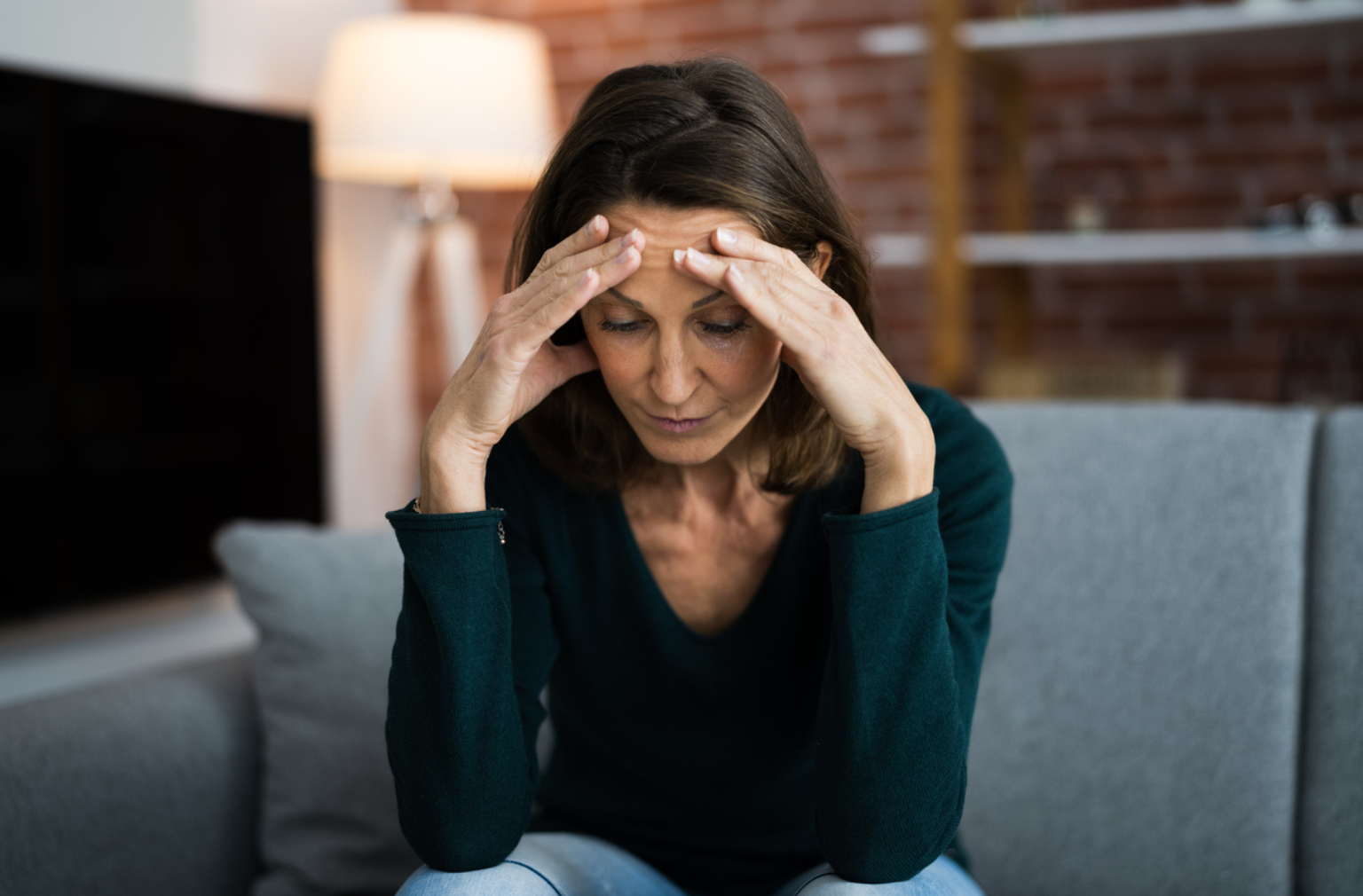

The Impact of Stress on Menopause Symptoms
Menopause brings many physical and emotional changes. But there's one thing that can make everything worse: stress. When you understand how stress affects your menopause symptoms, you can start to feel better.
Something as simple as eating 20–30g of protein at breakfast can help stabilise blood sugar levels, support cortisol regulation, improve satiety, and reduce energy crashes later in the day. Pairing protein with 1–2 handfuls of non-starchy vegetables adds fibre, polyphenols, antioxidants, vitamins, and minerals that support nervous system function, gut health, and inflammation regulation.
Vegetables may also help buffer the higher dietary acid load associated with very high protein diets, helping to support overall metabolic and bone health during peri-menopause and menopause.
How Stress Hormones Affect Menopause
Research shows that cortisol levels go up during menopause, especially at night when they should be going down (Woods et al., 2009). This creates problems throughout your body.
When cortisol stays high at night, it triggers other stress hormones like adrenaline. This makes symptoms worse, racing heart, hot flushes, and night sweats. Women with unbalanced cortisol have more frequent and severe hot flushes (Gibson et al., 2016).
The Stress Cycle
Stress and menopause create a vicious cycle. Menopause symptoms like poor sleep and hot flushes make you stressed. This stress raises your cortisol. Higher cortisol then makes your symptoms worse. Round and round it goes.
This cycle shows up as:
- Trouble sleeping and feeling tired all the time
- More frequent and intense hot flushes
- Mood swings, anxiety, and feeling down
- Brain fog and trouble remembering things
- Tummy troubles and body aches
Ways to Manage Stress That Actually Work
Breathing Exercises
Simple breathing exercises can really help. When you breathe slowly and deeply, it tells your body to relax. Research shows this lowers stress hormones and helps with menopause symptoms (Toussaint et al., 2021). Just a few minutes of deep breathing can make a difference.
Mindfulness and Meditation
Women who practise mindfulness regularly experience fewer menopause symptoms. It especially helps with feeling irritable, anxious, and low. Mindfulness programmes typically run for 8–12 weeks and teach you to focus on the present moment without judgement.
Progressive Muscle Relaxation
This means tensing and then relaxing different muscle groups whilst breathing slowly. A study found that women who did this daily for eight weeks slept better and felt less tired (Sucu et al., 2024).
Mind-Body Exercises
Yoga
Yoga helps with many menopause symptoms. It reduces anxiety and depression, improves sleep, and helps you feel better overall. Yoga also stops cortisol from rising, which means fewer symptoms.
Tai Chi
Tai Chi is a gentle form of movement. Studies show it helps with body pain, energy levels, and mental health (Wang et al., 2017). It also reduces inflammation, improves balance, and strengthens bones, all things that matter during menopause.
Simple Daily Habits
You don't need big changes to reduce stress. Small daily habits help:
- Get morning sunlight to help you sleep better at night
- Move your body regularly throughout the day
- Go to bed and wake up at the same time each day
- Cut back on coffee and alcohol, especially at night
- Set boundaries between work time and personal time
When to Get Professional Help
Self-care is important, but sometimes you need extra support. Talk to a doctor if you feel anxious or down most days, you're exhausted even after resting, or stress is affecting your relationships and daily life.
Taking Action
Now you know how stress and menopause symptoms are connected. You have real tools to help, breathing exercises, meditation, yoga, or just better daily routines. The secret is doing them regularly. Even small steps can reduce your stress and make menopause easier.
Looking for more support with your menopause symptoms? Book a gap-free bulk-billed doctor consult with the Australian Menopause Centre (powered by Emsee) to discover our holistic treatment pathways. We're here to support you through every aspect of your menopause journey.
References
Gibson, C. J., Thurston, R. C., El Khoudary, S. R., Sutton-Tyrrell, K., & Matthews, K. A. (2016). Cortisol dysregulation is associated with daily diary‐reported hot flashes among midlife women. Clinical Endocrinology, 85(4), 645-651.
Sood, R., Kuhle, C. L., Kapoor, E., Thielen, J. M., Frohmader Hilsaca, K., Mara, K. C., & Faubion, S. S. (2019). Association of mindfulness and stress with menopausal symptoms in midlife women. Climacteric, 22(4), 377-382.
Sucu, C., Akkaş Gürsoy, A., & Özveren, H. (2024). The effect of progressive muscle relaxation exercises on postmenopausal sleep quality and fatigue: a single-blind randomised controlled study. Menopause, 31(8), 669-678.
Toussaint, L., Nguyen, Q. A., Roettger, C., Dixon, K., Offenbächer, M., Kohls, N., Hirsch, J., & Sirois, F. (2021). Effectiveness of progressive muscle relaxation, deep breathing, and guided imagery in promoting psychological and physiological states of relaxation. Evidence-Based Complementary and Alternative Medicine, 2021, 5924040.
Wang, Y., Shan, W., Li, Q., Yang, N., & Shan, W. (2017). Tai Chi exercise for the quality of life in a perimenopausal women organisation: A systematic review. Worldviews on Evidence-Based Nursing, 14(4), 294-305.
Woods, N. F., Carr, M. C., Tao, E. Y., Taylor, H. J., & Mitchell, E. S. (2009). Cortisol levels during the menopausal transition and early postmenopause: Observations from the Seattle Midlife Women's Health Study. Menopause, 16(4), 708-718.
