


Oestrogen dominance occurs when oestrogen levels are high relative to progesterone, a common pattern during perimenopause as ovulation becomes irregular. Symptoms range from heavy periods and mood swings to weight gain, sleep disruption, and brain fog. A combination of lifestyle changes, holistic support, and personalised hormone therapy can help restore balance.
If you've been more irritable than usual, struggling to sleep, noticing heavier periods, or gaining weight around the middle despite no change in diet — you're not imagining it. These are classic signs that your hormonal balance may have shifted.
Oestrogen dominance is one of the most discussed hormonal patterns in women's health, particularly during perimenopause. It doesn't mean your body has too much oestrogen in an absolute sense; it describes a state where oestrogen is high relative to progesterone. That imbalance can create a cascade of symptoms that affect your quality of life. Understanding what's happening is the first step toward doing something about it.
Table of Contents
- What Is Oestrogen Dominance?
- Oestrogen Dominance Symptoms to Watch For
- Why Perimenopause Raises Your Risk
- Contributing Factors Beyond Hormones
- Restoring Hormonal Balance: Lifestyle Strategies
- When to Consider Medical Support
- Frequently Asked Questions
- Conclusion
What Is Oestrogen Dominance?
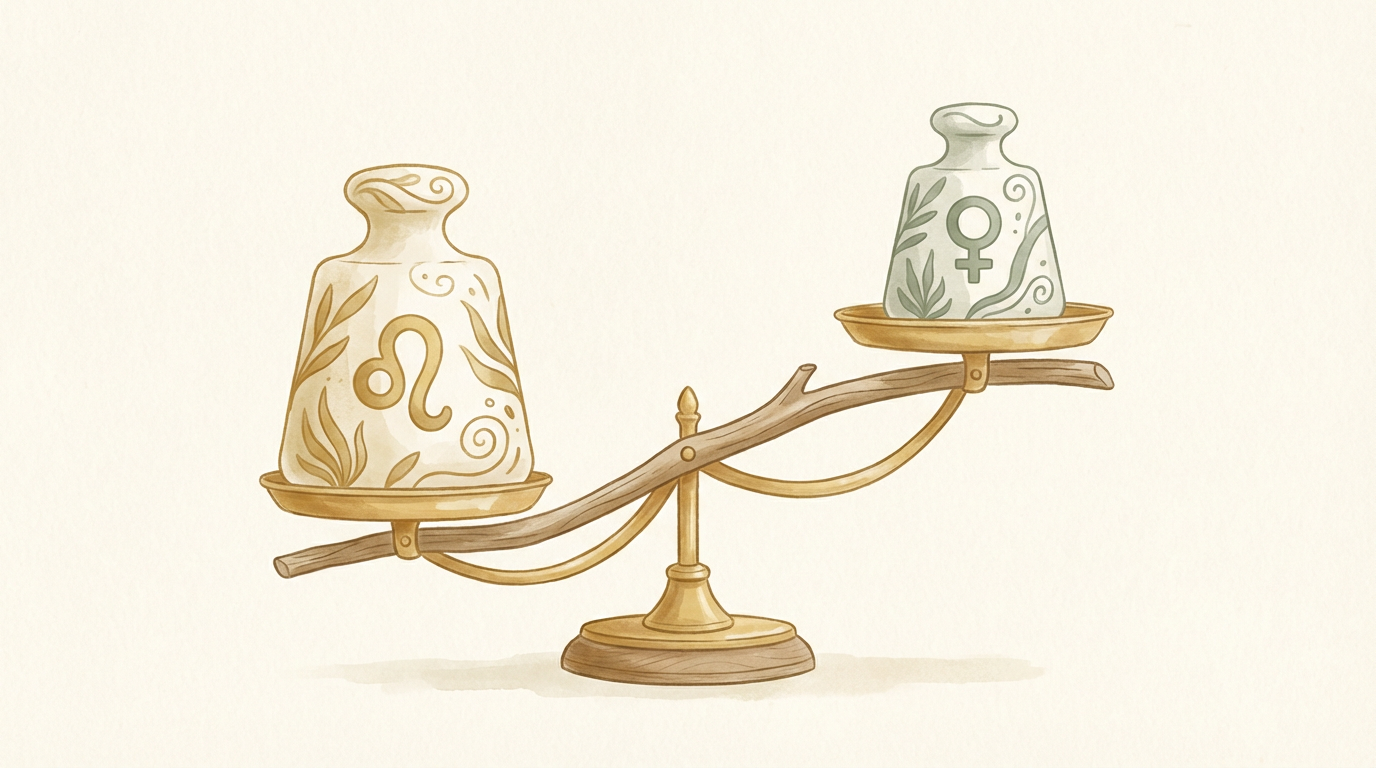
Oestrogen dominance is a state of hormonal imbalance in which oestrogen levels are elevated relative to progesterone. It is not always about producing too much oestrogen; it can occur when progesterone falls, even if oestrogen stays within a broadly normal range. The result is an imbalance in the oestrogen-to-progesterone ratio that affects multiple body systems.
There are two recognised patterns. In frank oestrogen dominance, both hormones are elevated but oestrogen is disproportionately high. In relative oestrogen dominance, oestrogen may be normal or even declining, but progesterone has dropped so significantly that oestrogen becomes the dominant player by default.
Research published in Biomedicine & Pharmacotherapy notes that rising exposure to environmental oestrogen-mimicking chemicals has contributed to oestrogen dominance in everyday life, with downstream effects including overexpression of oestrogen receptors and increased risk of hormone-sensitive conditions [1].
Is Oestrogen Dominance an Official Diagnosis?
Oestrogen dominance is not a formally codified diagnosis, but it is widely recognised as a clinically useful concept. There are no universally accepted laboratory thresholds; it is typically inferred from symptom patterns, hormonal ratios, and clinical history. Assessment from a menopause-focused practitioner — including hormone testing at the right point in your cycle — provides the most reliable picture.
Oestrogen Dominance Symptoms to Watch For
The symptoms of oestrogen dominance are wide-ranging because oestrogen receptors are found throughout the body. Symptoms often develop gradually, making them easy to dismiss as stress, ageing, or lifestyle factors.
Menstrual and Reproductive Changes
- Irregular periods or cycles that have become unpredictable
- Heavy or prolonged menstrual bleeding
- Worsening of premenstrual syndrome (PMS) symptoms
- Breast pain or tenderness, particularly in the days before your period
- Bloating and water retention
Mood and Cognitive Symptoms
- Mood swings, irritability, or feeling emotionally reactive
- Anxiety or depression
- Brain fog, difficulty concentrating, or poor memory
- Sleep disorders or persistent insomnia
Physical Symptoms
- Weight gain, particularly around the abdomen, hips, and thighs
- Fatigue that persists regardless of how much you sleep
- Hormonal headaches or migraines that coincide with hormonal fluctuations
- Hair loss or thinning
- Low libido or vaginal dryness
- Hot flushes and night sweats
Important: Many of these symptoms overlap with general perimenopause and menopause symptoms. That overlap is not coincidental — oestrogen dominance is frequently the underlying hormonal dynamic during the perimenopause transition. If you're experiencing several of these symptoms, a comprehensive hormonal assessment is worthwhile.
Recognising yourself in this list? A menopause-focused doctor can run the right tests and build a plan tailored to your hormonal picture. Book a bulk-billed consultation — no referral needed.
Why Perimenopause Raises Your Risk
Perimenopause — the transitional phase leading up to menopause, typically beginning in the mid-to-late 40s — creates the ideal conditions for oestrogen dominance. Here's why.
Most of the body's progesterone is produced after ovulation. As perimenopause progresses, ovulation becomes irregular and may eventually stop altogether. Less ovulation means less progesterone, even if oestrogen levels continue to fluctuate or remain relatively stable. The result: a widening gap between the two hormones [2].
A 2024 review in the journal Menopause notes that symptoms span acute vasomotor and psychological changes during perimenopause through to longer-term cardiovascular, neurological, skeletal, and digestive effects postmenopause [2]. Oestrogen can surge higher in early perimenopause than at any previous point, then drop sharply — a hormonal rollercoaster that drives many of the symptoms listed above.
A 2025 review in the Journal of Mid-life Health adds that declining oestrogen during perimenopause contributes to insulin resistance and altered fat distribution, further compounding the hormonal imbalance [3].
Contributing Factors Beyond Hormones
Several lifestyle and environmental factors can worsen an already-shifting hormonal balance.
Stress and cortisol: Under sustained stress, your body produces more cortisol. High cortisol can suppress progesterone production, widening the gap between oestrogen and progesterone and intensifying relative oestrogen dominance.
Gut health: A specialised community of gut bacteria (the oestrobolome) regulates how oestrogen is excreted. When gut bacteria are imbalanced (dysbiosis), levels of the enzyme beta-glucuronidase can rise, allowing oestrogen to be reabsorbed into the bloodstream rather than eliminated. Supporting gut health through fibre-rich and fermented foods may support healthy oestrogen clearance.
Liver function: The liver metabolises and clears excess oestrogen. A sluggish liver — affected by excess alcohol, a poor diet, or nutritional deficiencies — can reduce oestrogen breakdown.
Xenoestrogens: Everyday chemicals in plastics (particularly BPA), pesticides, and synthetic fragrances can mimic oestrogen in the body, binding to oestrogen receptors and compounding hormonal imbalance [1].
Excess body weight: Fat tissue produces oestrogen through aromatisation, converting androgens into oestrogen. Higher body fat — particularly around the abdomen — can sustain elevated oestrogen levels, creating a self-reinforcing cycle.
Restoring Hormonal Balance: Lifestyle Strategies
The good news is that there is a great deal you can do to support hormonal balance through everyday choices. These strategies work best as part of a personalised plan, not a one-size-fits-all protocol.

Nutrition for Oestrogen Balance
- Cruciferous vegetables such as broccoli, cauliflower, Brussels sprouts, and kale contain compounds including indole-3-carbinol that support the liver's oestrogen metabolism pathways, shifting breakdown toward less potent oestrogen metabolites.
- High-fibre foods such as flaxseeds, oats, legumes, and vegetables help bind to excess oestrogen in the digestive tract and support its elimination.
- Limiting alcohol is important, as alcohol raises oestradiol levels and impairs the liver's ability to metabolise oestrogen effectively.
- Phytoestrogens found in soy, legumes, and seeds have a mild oestrogenic effect that some research suggests may support hormonal balance, though individual responses vary [3].
Movement, Stress Management, and Reducing Xenoestrogen Exposure
Regular physical activity supports oestrogen metabolism and reduces excess body fat, which lowers the amount of oestrogen produced through aromatisation. A 2025 review recommended at least 6,000 steps daily for cardiovascular health, alongside resistance exercise to preserve muscle mass [3].
Reducing cortisol through yoga, mindfulness, adequate sleep, and managing workload can indirectly support progesterone levels. For xenoestrogens, practical steps include choosing glass over plastic containers, using fragrance-free personal care products, and washing non-organic produce thoroughly.
Tip: Small, consistent changes compound over time. You don't need to overhaul everything at once. Start with diet and sleep, then layer in other strategies with guidance from your healthcare provider.
When to Consider Medical Support
Lifestyle strategies are valuable, but they have limits — particularly when oestrogen dominance is driven by significant hormonal shifts during perimenopause. If your symptoms are affecting your daily life, your relationships, your work, or your sleep, it is worth speaking with a menopause-focused practitioner.
A comprehensive assessment will typically include a detailed symptom review and, where appropriate, hormone testing. Treatment options your doctor may discuss include:
- Body-identical hormone therapy (MHT): Restoring progesterone balance using body-identical options — those with the same molecular structure as the hormones your body produces — is often the primary approach. Transdermal delivery is generally preferred, and micronised progesterone is preferred over synthetic progestins. Options are discussed in the context of your individual health history, symptoms, and risk factors.
- Naturopathic and nutritional support: Targeted nutritional protocols and herbal medicine can complement medical treatment and support liver and gut health.
- Weight management support: Given the link between body composition and oestrogen production, structured weight management may be part of your plan if metabolic factors are contributing to your symptoms.
Hormone therapy is not appropriate for everyone. Your doctor will assess whether it is right for you based on your individual health history, symptoms, and risk factors.
This information is for educational purposes only and is not medical advice. Consult your healthcare provider for personalised recommendations. Treatment decisions should be individualised based on your medical history and circumstances.
Frequently Asked Questions
What is the difference between oestrogen dominance and high oestrogen?
High oestrogen refers to elevated absolute oestrogen levels. Oestrogen dominance is about the ratio: your oestrogen can be within a normal range and you can still be oestrogen-dominant if progesterone is disproportionately low. Both situations can produce similar symptoms, which is why a full hormonal assessment is important.
How is oestrogen dominance tested?
There is no single universally accepted test. Most practitioners assess oestrogen dominance through symptom history combined with blood or urine hormone panels. Urine testing can reveal how oestrogen is being metabolised and which breakdown pathways are active. Timing of testing matters, particularly for women who are still menstruating.
Can lifestyle changes alone reverse oestrogen dominance?
For some women with mild hormonal imbalance, dietary changes, stress reduction, and gut support may meaningfully improve symptoms. For others — particularly those in perimenopause with significant hormonal shifts — medical support alongside lifestyle changes is likely necessary. The right approach depends on the underlying cause and the severity of symptoms.
Conclusion
Oestrogen dominance is a real and disruptive hormonal pattern, particularly during perimenopause. Recognising its symptoms — from heavy periods and mood swings to weight gain and sleep disruption — is the first step toward getting the right support.
You don't have to simply put up with these symptoms. Evidence-based lifestyle changes and personalised medical treatment, used together, can make a meaningful difference. The most important step is a thorough assessment from a practitioner who specialises in menopause.
The Australian Menopause Centre's menopause treatment program brings together a multidisciplinary team — menopause-focused doctors, naturopaths, and nutritionists — accessible via telehealth anywhere in Australia. No referral, no lock-in contract, just expert care from home.
Ready to explore your options? Book a bulk-billed telehealth consultation today.
References
- Patel, S., Homaei, A., Raju, A. B., & Meher, B. R. (2018). Estrogen: The necessary evil for human health, and ways to tame it. Biomedicine & Pharmacotherapy, 102, 403–411. https://doi.org/10.1016/j.biopha.2018.03.078
- Yang, J. L., Hodara, E., Sriprasert, I., Shoupe, D., & Stanczyk, F. Z. (2024). Estrogen deficiency in the menopause and the role of hormone therapy: integrating the findings of basic science research with clinical trials. Menopause, 31(10), 926–939. https://doi.org/10.1097/GME.0000000000002407
- Patel, P., Patil, S., & Kaur, N. (2025). Estrogen and metabolism: navigating hormonal transitions from perimenopause to postmenopause. Journal of Mid-life Health, 16(3), 247–256. https://doi.org/10.4103/jmh.jmh_75_25
