


Oestrogen cream is a hormone therapy option used to relieve common menopause symptoms, particularly vaginal dryness and discomfort. Applied locally or transdermally, it works by replenishing declining oestrogen levels in targeted tissues. A personalised treatment plan with a menopause-focused doctor is essential to find the right approach for your body.
Menopause brings with it a wide range of physical changes — and for many women, vaginal dryness, discomfort during intimacy, and urinary irritation can significantly affect quality of life. These symptoms are often caused by declining oestrogen levels and are among the most undertreated aspects of the menopause journey. Oestrogen cream is one of several hormone therapy options available to address these changes, and for many women, it can offer meaningful, targeted relief.
This article explains what oestrogen cream is, how it works, what the research says about its benefits, and how to use it safely as part of a broader menopause treatment approach.
Table of Contents
- What Is Oestrogen Cream?
- What Symptoms Can Oestrogen Cream Help?
- Benefits Supported by Research
- How to Apply Oestrogen Cream Safely
- Is Oestrogen Cream Safe?
- Body-Identical Versus Other Formulations
- Frequently Asked Questions
- Conclusion
What Is Oestrogen Cream?
Oestrogen cream is a hormone therapy preparation that delivers oestrogen either directly to vaginal and vulval tissues (local therapy) or through the skin into the bloodstream (transdermal therapy). As oestrogen levels fall during perimenopause and menopause, the tissues of the vagina, vulva, and urinary tract can thin, dry out, and become less elastic — a condition known as genitourinary syndrome of menopause (GSM).
Oestrogen cream helps address this by replacing some of the oestrogen the body no longer produces. Depending on the formulation and application site, it may act locally (affecting only vaginal and nearby tissues) or systemically (producing effects throughout the body).
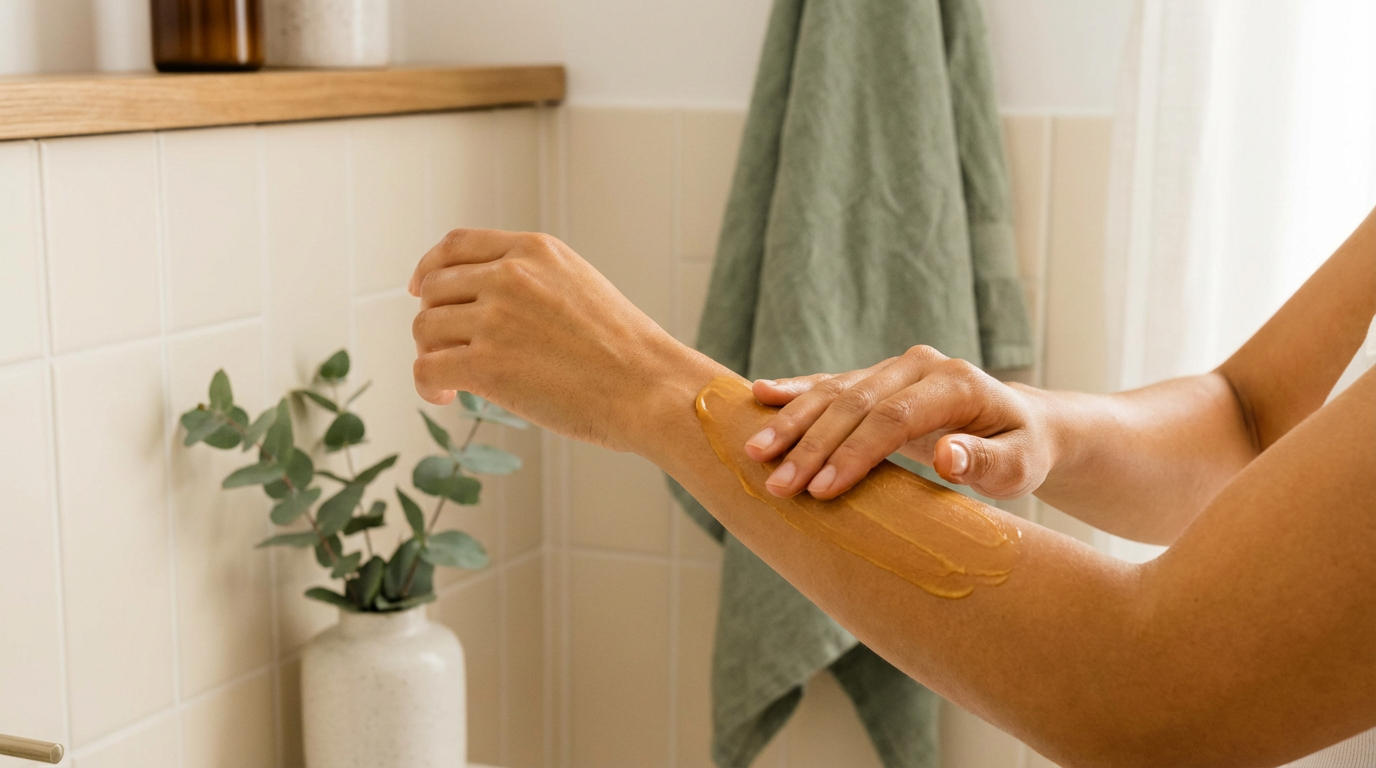
Local Versus Transdermal Oestrogen Cream
Local (vaginal) oestrogen cream is applied directly inside the vagina or to the vulval area. It works on the surrounding tissues with minimal absorption into the bloodstream, making it a well-tolerated option for GSM symptoms. The Australasian Menopause Society (AMS) notes that at recommended doses, vaginal oestrogen preparations do not require progesterone to protect the uterine lining, as systemic absorption is insufficient to cause endometrial changes [2].
Transdermal oestrogen cream or gel is applied to the skin of the arms, thighs, or abdomen, where it is absorbed into the bloodstream. This route delivers oestrogen systemically, addressing a broader range of menopause symptoms including hot flushes, mood swings, and sleep disorders. Transdermal oestrogen is generally preferred over oral oestrogen because it avoids first-pass metabolism through the liver, which research suggests may reduce the risk of blood clots.
What Symptoms Can Oestrogen Cream Help?
The signs and symptoms of menopause span many body systems, but oestrogen cream is particularly well-suited to addressing those caused by declining oestrogen in specific tissues.
Genitourinary Symptoms
These are the symptoms most directly linked to the local effects of falling oestrogen:
- Vaginal dryness and irritation — one of the most common postmenopausal complaints
- Discomfort or pain during sex (dyspareunia)
- Urinary urgency, frequency, and recurrent urinary tract infections (UTIs)
- Vulval soreness or itching
The AMS advises that vaginal oestrogen preparations are among the most effective treatments for these symptoms, with evidence showing a reduction in recurrent UTIs and improvements in vaginal tissue health [2].
Broader Menopause Symptoms (Transdermal)
When oestrogen cream is used transdermally, it may also help with:
- Hot flushes and night sweats
- Mood-related changes including low mood and anxiety
- Fatigue and disrupted sleep
- Low libido
- Skin changes including dryness and reduced elasticity
Benefits Supported by Research
A 2024 systematic review published in the Annals of Internal Medicine analysed 46 randomised controlled trials examining hormonal treatments for GSM. It found that, compared with placebo or no treatment, vaginal oestrogen may improve vulvovaginal dryness, most bothersome symptoms, and treatment satisfaction [1]. This remains one of the most comprehensive reviews to date on the topic.
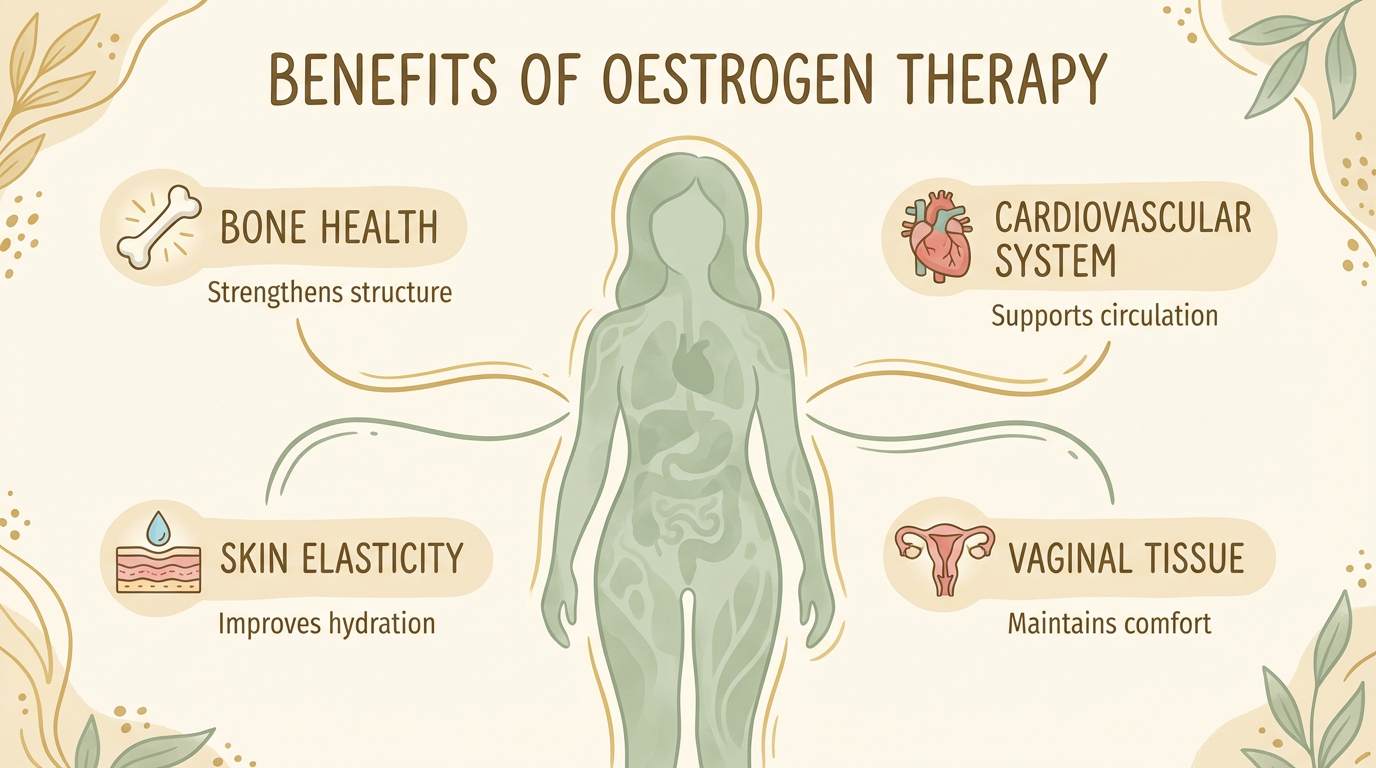
Vaginal Tissue Health
Oestrogen helps maintain vaginal pH, promotes healthy tissue thickness, supports natural lubrication, and encourages beneficial bacteria. When these mechanisms decline with menopause, symptoms of GSM emerge. Local oestrogen therapy helps restore these functions, often improving comfort within weeks of starting treatment.
Urinary Health
The AMS notes evidence supporting a reduction in recurrent urinary tract infections among women using vaginal oestrogen preparations [2]. Oestrogen receptors exist throughout the urinary tract, and replenishing local oestrogen may help maintain the protective lining of the urethra and bladder.
Bone and Long-Term Health
Systemic oestrogen therapy — including transdermal creams and gels — is recognised as effective for preventing early postmenopausal bone loss. Research supports that when hormone therapy is initiated within 10 years of menopause or before age 60, it may also be associated with benefits for cardiovascular health. These considerations are best discussed with a menopause-focused doctor who can assess your individual risk profile.
How to Apply Oestrogen Cream Safely
Oestrogen cream is a prescription medication, and the right type, dose, and application method is determined by your doctor based on your symptoms, health history, and individual circumstances. For women who have been prescribed oestrogen cream, the principles below outline general application practices — your doctor will provide specific instructions tailored to your prescription.
Vaginal Oestrogen Cream
- Initial phase: Apply daily for approximately two weeks to restore vaginal tissue.
- Maintenance phase: Reduce to two to three times per week as directed.
- Application method: Use the applicator provided to gently insert the cream into the vagina, or apply directly to the vulval area with fingertips if external symptoms are present.
- Timing: Evening application is often recommended, as lying down after application helps the cream remain in contact with the tissue.
- Expected timeline: Some women notice improvement within a few weeks; full benefit may take up to eight to twelve weeks of consistent use.
Tip: If you are also on systemic menopausal hormone therapy (MHT) and vaginal symptoms persist, vaginal oestrogen cream can safely be used alongside it, as the systemic absorption from vaginal preparations is minimal at recommended doses.
Transdermal Oestrogen Cream or Gel
- Apply to clean, dry skin on the inner arm, forearm, thigh, or lower abdomen.
- Rotate application sites to avoid skin irritation.
- Allow to dry for a few minutes before dressing.
- Wash hands thoroughly after application to avoid unintentional transfer.
- Avoid applying near the breasts or on broken or irritated skin.
Is Oestrogen Cream Safe?
For most women, oestrogen cream — particularly local vaginal preparations — has a favourable safety profile. The key is understanding which type you are using and ensuring your doctor has reviewed your personal health history.
Local Vaginal Oestrogen
Because systemic absorption is minimal with vaginal oestrogen preparations, the risks associated with systemic hormone therapy (such as blood clot risk) do not apply in the same way. The AMS states that no studies have demonstrated a link between vaginal oestrogen use and increased breast cancer risk [2]. For women with a personal history of breast cancer, low-dose vaginal oestrogen is sometimes considered when non-hormonal options have not provided adequate relief, though this requires careful discussion with both a gynaecologist and oncologist.
Transdermal Oestrogen
Transdermal oestrogen avoids the increased clot risk associated with oral oestrogen tablets — an important advantage for women with relevant cardiovascular risk factors. Research supports that initiation of hormone therapy within 10 years of menopause, or before age 60, is associated with a more favourable benefit-risk balance.
If you have an intact uterus and are using systemic oestrogen therapy, a progestogen is required to protect the uterine lining. Your doctor will discuss the most appropriate options with you.
Note: Hormone therapy is not suitable for everyone. Your doctor will assess whether it's appropriate for you based on your individual health history, symptoms, and risk factors. Individual results may vary.
Body-Identical Versus Other Formulations
Not all oestrogen preparations are created equal. At the Australian Menopause Centre, the approach centres on body-identical hormone therapy — formulations with the same molecular structure as the hormones your body naturally produces.
Body-identical oestrogen (typically oestradiol) is available in commercially manufactured creams and gels listed in the ARTG. These products have been rigorously tested for quality, purity, and consistency. They are the preferred starting point for hormone therapy because the evidence base for their safety and efficacy is well-established.
Compounded oestrogen preparations (custom-made by a compounding pharmacy) may be considered in specific circumstances — for example, if a patient has documented allergies to ingredients in commercial products, or if dosing requirements cannot be met by available formulations. However, compounded preparations are not subject to the same regulatory oversight as ARTG-listed products, and they are not the default recommendation.
The right formulation for you depends on your symptoms, health history, and preferences. A menopause-focused doctor can guide this decision as part of a personalised treatment plan — one that may also include holistic support such as nutrition, movement, and stress management strategies through a broader weight loss and wellness program where relevant.
Frequently Asked Questions
How long does oestrogen cream take to work?
For vaginal oestrogen, initial improvements in dryness and comfort can often be felt within two to four weeks. Full benefit typically develops over eight to twelve weeks of consistent use. Transdermal oestrogen may improve vasomotor symptoms within a few weeks, though individual responses vary.
Does oestrogen cream require a prescription in Australia?
Yes. Oestrogen cream in Australia is a prescription medication. Over-the-counter products that claim to contain oestrogen are not regulated in the same way and have not been rigorously evaluated for safety and efficacy. Always obtain oestrogen therapy through a qualified healthcare provider.
Can I use oestrogen cream if I still have periods?
If you are in perimenopause, your doctor can discuss whether oestrogen cream is appropriate for your symptoms, hormone levels, and health history. This is best assessed through a consultation with a menopause specialist.
Is it safe to use vaginal oestrogen cream long-term?
The AMS notes that vaginal oestrogen preparations can be used long-term when indicated, as systemic absorption is minimal at recommended doses [2]. Your doctor will monitor and review your treatment at regular intervals.
Do I need progesterone if I use vaginal oestrogen cream?
For local vaginal oestrogen at recommended doses, progesterone is not required, as systemic absorption is too low to affect the uterine lining. However, if you are using systemic oestrogen therapy and have an intact uterus, progesterone is required. Your doctor will advise you accordingly.
Conclusion
Oestrogen cream is a well-researched hormone therapy option that can provide meaningful relief from many of the most disruptive symptoms of menopause — particularly vaginal dryness, genitourinary discomfort, and urinary issues. Local vaginal preparations work with minimal systemic absorption, while transdermal options address broader symptoms including hot flushes and mood changes.
The key to using oestrogen cream safely is a personalised approach: the right type, dose, and application method for your individual health profile. This is not a one-size-fits-all decision, and it is best made in partnership with a menopause-focused healthcare team who can weigh your symptoms, health history, and preferences.
If you are navigating menopause and want personalised guidance from a team with over 20 years of menopause-specific experience, the Australian Menopause Centre offers accessible telehealth consultations from anywhere in Australia — no referral required.
This information is for educational purposes only and is not medical advice. Consult your healthcare provider for personalised recommendations. Treatment decisions should be individualised based on your medical history and circumstances.
References
- Danan, E. R., Sowerby, C., Ullman, K. E., Ensrud, K., Forte, M. L., Zerzan, N., Anthony, M., Kalinowski, C., Abdi, H. I., Friedman, J. K., Landsteiner, A., Greer, N., Nardos, R., Fok, C., Dahm, P., Butler, M., Wilt, T. J., & Diem, S. (2024). Hormonal treatments and vaginal moisturizers for genitourinary syndrome of menopause: A systematic review. Annals of Internal Medicine, 177(10), 1400–1414. https://doi.org/10.7326/ANNALS-24-00610
- Australasian Menopause Society. (2023). Genitourinary syndrome of menopause: Information Sheet. https://www.menopause.org.au/hp/information-sheets/genitourinary-syndrome-of-menopause
