
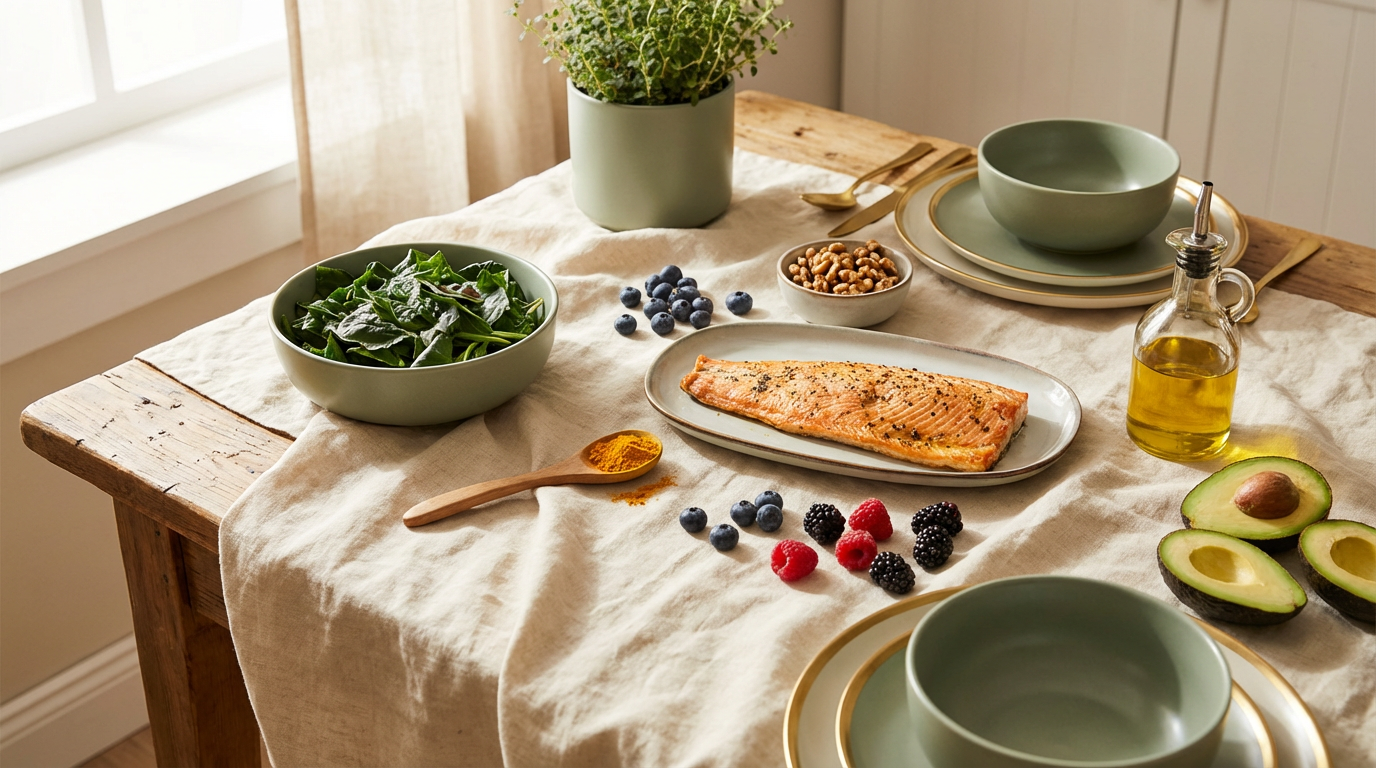
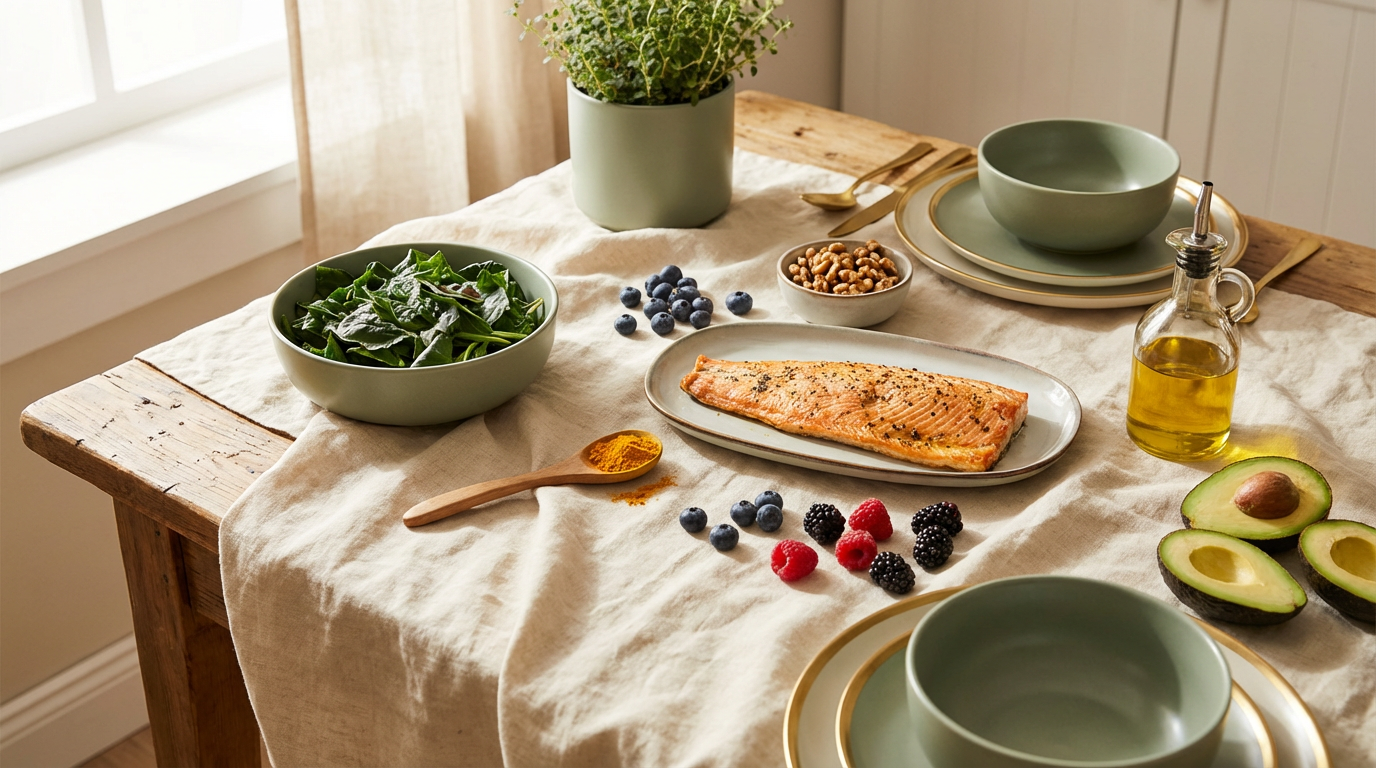
Declining oestrogen during menopause can increase low-grade inflammation, contributing to symptoms like joint pain, fatigue, and mood changes. An anti-inflammatory eating pattern — centred on colourful vegetables, fatty fish, whole grains, and healthy fats — may help ease these symptoms and support long-term health. Pairing smart food choices with personalised menopause care gives you the strongest foundation.
If you've noticed your body feeling more inflamed, achy, or simply "off" since perimenopause began, you're not imagining it. The hormonal shifts of menopause — particularly declining oestrogen — can quietly increase systemic inflammation, making everyday symptoms feel more intense. The good news is that what you eat can genuinely make a difference. Anti-inflammatory recipes built around whole, nutrient-dense foods offer one of the most accessible tools for calming your body during this transition. This guide walks you through the science, the key foods to focus on, and practical meal ideas you can start using today.
Why Inflammation Rises During Menopause
Oestrogen does far more than regulate your menstrual cycle. It also plays a powerful role in keeping your immune system balanced and inflammation in check. As oestrogen levels fall during perimenopause and menopause, this protective effect diminishes — and low-grade, chronic inflammation can take hold.
This isn't just a background process. Research suggests that elevated inflammatory markers are linked to many of the symptoms women experience during this stage: joint pain, fatigue, weight gain, mood swings, and disrupted sleep. Chronic inflammation also affects insulin sensitivity and metabolic health — two areas that become particularly important as women move through their 40s and 50s.
The Oestrogen-Inflammation Connection
When oestrogen declines, immune cells can become more reactive. C-reactive protein (CRP) — a key blood marker of inflammation — tends to rise in postmenopausal women, and persistently elevated inflammation may contribute to cardiovascular risk, bone loss, and metabolic changes over time. This is why dietary choices that actively reduce inflammation matter beyond immediate symptom relief.
Perimenopause vs Menopause: An Important Distinction
Perimenopause (the transition phase before your final period) and menopause (confirmed 12 months after your last period) are distinct stages. Inflammatory changes can begin during perimenopause when hormone fluctuations are most unpredictable. The dietary strategies in this guide are relevant to both stages.
The Anti-Inflammatory Eating Pattern Explained
The term "anti-inflammatory diet" isn't a single rigid plan — it's a way of eating that favours whole, unprocessed foods rich in antioxidants, fibre, and healthy fats while reducing foods that drive inflammation. The Mediterranean dietary pattern is the most well-researched example of this approach.
A 2025 mini-review in Frontiers in Nutrition synthesised 42 high-quality studies (including 18 systematic reviews and 24 randomised controlled trials) and found that diets enriched with anti-inflammatory and phytoestrogen-containing foods were repeatedly linked to improvements in vasomotor symptom severity and preservation of bone health in menopausal women [2].

An Australian cross-sectional study of 207 perimenopausal and menopausal women found that diet quality was associated with physical functioning and quality of life measures, while low consumption of sugar-sweetened beverages correlated with fewer joint and muscle complaints [3].
Ready to put this into practice? Our naturopaths and nutritionists can tailor a plan to your symptoms, stage, and food preferences — alongside any medical support you need. Book a bulk-billed consultation — no referral needed.
What Makes a Food Anti-Inflammatory?
Anti-inflammatory foods tend to share several characteristics:
- High in antioxidants (polyphenols, flavonoids, vitamins C and E) that neutralise harmful free radicals
- Rich in omega-3 fatty acids that actively counteract inflammatory pathways
- High in fibre to support gut health, which is closely tied to immune regulation
- Low in refined sugars and processed fats that trigger inflammatory responses
Foods That Work Against You
Just as important as adding beneficial foods is reducing pro-inflammatory ones. Ultra-processed foods (including packaged snacks, fast food, and sugary drinks), refined carbohydrates (white bread, pastries), and excessive alcohol are consistently linked to higher inflammatory markers. For women in menopause, alcohol can also worsen hot flushes, disrupt sleep, and contribute to weight gain.
Key Anti-Inflammatory Foods for Menopause
Building your meals around these food groups gives you a practical foundation for an anti-inflammatory eating pattern.
Fatty Fish and Omega-3 Sources
Salmon, sardines, mackerel, and trout are rich in long-chain omega-3 fatty acids (EPA and DHA), which research suggests may reduce inflammatory markers including CRP. Aim for two to three servings per week. If fish isn't your preference, plant-based omega-3 sources like chia seeds, flaxseeds, and walnuts provide ALA, though conversion to the active forms is limited.
Colourful Vegetables and Berries
Leafy greens (spinach, kale, rocket), cruciferous vegetables (broccoli, cauliflower), and deeply coloured berries (blueberries, strawberries, blackberries) are loaded with polyphenols and flavonoids. These compounds help neutralise oxidative stress and support a balanced immune response. Broccoli specifically contains sulforaphane, a compound that activates antioxidant pathways at a cellular level.
Whole Grains and Legumes
Oats, quinoa, brown rice, lentils, chickpeas, and black beans provide fibre that slows digestion, supports steady blood glucose levels, and nourishes beneficial gut bacteria. This gut-immune connection is increasingly recognised as central to managing systemic inflammation. Legumes also provide phytoestrogens — plant compounds that may offer modest support for hot flushes and night sweats.
Healthy Fats: Olive Oil, Nuts, and Avocado
Extra virgin olive oil contains oleocanthal, a compound with documented anti-inflammatory activity. Walnuts, almonds, and avocados provide monounsaturated and polyunsaturated fats that may support cardiovascular health — especially important during menopause when heart disease risk begins to rise. Include a small handful of nuts daily and use olive oil as your primary cooking fat.
Herbs and Spices That Do More Than Flavour
Turmeric, ginger, garlic, rosemary, and oregano all contain bioactive compounds with anti-inflammatory properties. Curcumin, the active component in turmeric, has been the subject of promising research, though it's most effective when paired with black pepper to enhance absorption. Fresh ginger tea and lemon water are simple daily additions that many women find supportive.
Anti-Inflammatory Recipes: Three Meals to Get You Started
These meal ideas are built around the foods above and designed to be practical for busy days.
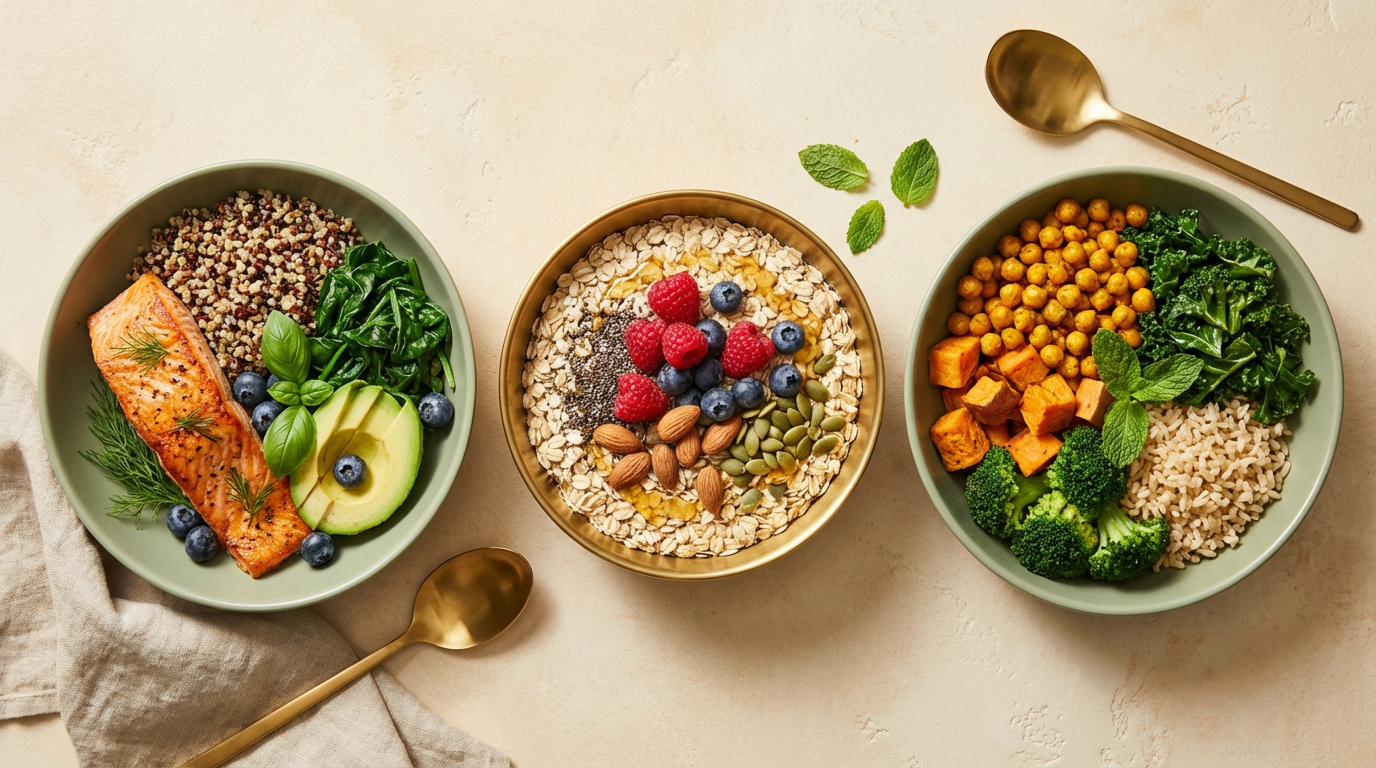
Breakfast: Berry and Oat Power Bowl
Combine rolled oats cooked with almond milk, a generous handful of blueberries and strawberries, a tablespoon of ground flaxseed, a drizzle of honey, and a small handful of walnuts. This meal delivers fibre, omega-3s, and antioxidants in under ten minutes. It supports steady blood glucose through the morning — particularly useful if you're managing bloating or energy dips.
Lunch: Mediterranean Chickpea and Salmon Salad
Combine tinned salmon or tuna (in olive oil, drained), chickpeas, mixed greens, halved cherry tomatoes, cucumber, and red onion. Dress with extra virgin olive oil, lemon juice, and fresh herbs like parsley or basil. This meal packs omega-3s, plant protein, phytoestrogens, and a range of antioxidants into one satisfying bowl.
Dinner: Turmeric Salmon with Roasted Vegetables and Quinoa
Season a salmon fillet with turmeric, black pepper, garlic, and a little olive oil. Roast alongside broccoli, sweet potato, and capsicum at 200°C for 20 minutes. Serve over cooked quinoa with a squeeze of lemon. This dinner combines omega-3s from salmon, sulforaphane from broccoli, curcumin from turmeric, and complex carbohydrates from quinoa — a genuinely comprehensive anti-inflammatory meal.
Tip: Batch cook quinoa and roasted vegetables on Sunday evening. Store in the fridge and use across three to four weeknight dinners. A solid food prep habit can transform how consistently you eat well during a busy week.
The Role of Gut Health in Menopause Inflammation
Your gut microbiome plays a significant role in regulating inflammation and oestrogen metabolism — a process involving the "estrobolome" (the gut bacteria responsible for metabolising oestrogen). A diet rich in fibre from diverse plant foods nourishes beneficial bacteria. Fermented foods like natural yoghurt, kefir, and sauerkraut introduce beneficial bacteria directly.
A 2023 study in BMC Women's Health found that women with lower dietary inflammatory index scores had significantly reduced odds of moderate-to-severe menopausal symptoms, particularly relating to quality of life [1].
Beyond the Plate: A Holistic Approach
Anti-inflammatory recipes are a powerful starting point, but they work best as part of a broader lifestyle approach. Regular movement — even 30 minutes of brisk walking daily — has well-established anti-inflammatory effects. Prioritising sleep supports the body's overnight repair processes. Stress management techniques such as mindfulness or gentle yoga help keep cortisol (itself a driver of inflammation) in check.
For many women, dietary changes and lifestyle adjustments provide meaningful relief. For others, especially those with more significant symptoms, personalised medical support may also be appropriate. The menopause treatment options available through a specialist clinic can complement lifestyle strategies — including body-identical hormone therapy, which your doctor may discuss as an option suited to your individual circumstances.
If you're also managing menopause-related weight gain, a structured weight loss programme guided by a nutritionist can help you build sustainable eating habits alongside anti-inflammatory principles.
Frequently Asked Questions
What are the best anti-inflammatory foods for menopause?
Fatty fish (salmon, sardines), leafy greens (spinach, kale), berries, extra virgin olive oil, whole grains, legumes, and spices like turmeric and ginger are among the most evidence-supported options. Together, they reduce inflammatory markers, support metabolic health, and provide nutrients important for bone and cardiovascular health during menopause.
Can an anti-inflammatory diet help with hot flushes?
Dietary patterns may influence vasomotor symptoms, though responses vary. Phytoestrogen-rich foods (legumes, flaxseed, edamame) may offer modest support for hot flushes and night sweats in some women. Reducing alcohol and refined sugars may also help. For persistent symptoms, consult a menopause-focused practitioner.
How quickly will I notice results from eating anti-inflammatory foods?
Some women notice improvements in energy, digestive problems, and sleep within two to four weeks of shifting their eating pattern. Benefits to inflammatory markers and metabolic health tend to build over several months of consistent dietary changes. Sustained change matters more than short-term perfection.
Do I need supplements alongside an anti-inflammatory diet?
Some gaps are common during menopause — particularly vitamin D, calcium, and magnesium. A healthcare provider or nutritionist can assess whether supplementation is appropriate based on your individual diet, symptoms, and blood test results.
Is the Mediterranean diet the same as an anti-inflammatory diet?
The Mediterranean diet is the most thoroughly researched anti-inflammatory eating pattern. It emphasises olive oil, fish, vegetables, whole grains, legumes, and nuts — an evidence-informed approach for managing menopause signs and symptoms.
Conclusion
Eating to calm inflammation is about consistently choosing foods that work with your body during a significant hormonal transition. Prioritising fatty fish, colourful vegetables, whole grains, legumes, and healthy fats gives your body the building blocks to manage inflammation and feel more energised.
These anti-inflammatory recipes are most effective when combined with movement, quality sleep, and personalised care. If you're looking for specialist support — including menopause-focused naturopaths and nutritionists via telehealth — the Australian Menopause Centre offers bulk-billed consultations from anywhere in Australia.
This information is for educational purposes only and is not medical advice. Consult your healthcare provider for personalised recommendations. Treatment decisions should be individualised based on your medical history and circumstances.
References
- Haghshenas, N., Hosseini Baharanchi, F., Melekoglu, E., Sohouli, M. H., & Shidfar, F. (2023). Comparison of predictive effect of the dietary inflammatory index and empirically derived food-based dietary inflammatory index on the menopause-specific quality of life and its complications. BMC Women's Health, 23(1), 349. https://doi.org/10.1186/s12905-023-02485-y
- Liu, Y., & Guo, Z. (2025). Dietary interventions and nutritional strategies for menopausal health: a mini review. Frontiers in Nutrition, 12, 1702105. https://doi.org/10.3389/fnut.2025.1702105
- Byrne-Kirk, M., Mantzioris, E., Scannell, N., & Villani, A. (2024). Adherence to a Mediterranean-style diet and severity of menopausal symptoms in perimenopausal and menopausal women from Australia: a cross-sectional analysis. European Journal of Nutrition, 63(7), 2743–2751. https://doi.org/10.1007/s00394-024-03462-3
