


What you eat directly influences your hormonal health during menopause. This guide covers 15 evidence-informed hormone-balancing foods — from phytoestrogen-rich soy and flaxseeds to omega-3-packed oily fish — that may help ease common symptoms and support your overall wellbeing during this transition.
Menopause brings real, disruptive changes. Hot flushes, disrupted sleep, mood swings, weight gain — these are not things you simply have to put up with. While nutrition alone won't resolve every symptom, research consistently shows that the right hormone-balancing foods can play a meaningful supporting role in how you feel day to day [1].
This guide walks you through 15 foods backed by current evidence, explains why they matter, and offers practical ways to include them in your daily meals.
Table of Contents
- Why Food Matters for Hormonal Balance
- Phytoestrogen-Rich Foods
- Anti-Inflammatory Foods for Symptom Support
- Bone and Metabolic Support Foods
- Gut Health and Hormone Clearance
- What to Limit During Menopause
- Frequently Asked Questions
- Conclusion
Why Food Matters for Hormonal Balance
Oestrogen deficiency reduces basal metabolism by up to 250–300 kcal per day, which is one reason weight gain during this stage can feel frustrating [1]. But food does more than manage calories. Certain nutrients act as building blocks for hormone production; others help your liver and gut clear excess hormones efficiently. Phytoestrogens — plant compounds that bind weakly to oestrogen receptors — may buffer the effects of declining oestrogen, and research supports their modest impact on vasomotor symptoms [2].
Think of nutrition as a foundational layer of support — one that works best alongside a personalised menopause treatment program.
Phytoestrogen-Rich Foods
Phytoestrogens are naturally occurring plant compounds that can bind to oestrogen receptors in the body. They don't replicate oestrogen exactly, but they may help soften the impact of falling oestrogen levels during menopause.
1. Soy Foods (Tofu, Tempeh, Edamame)
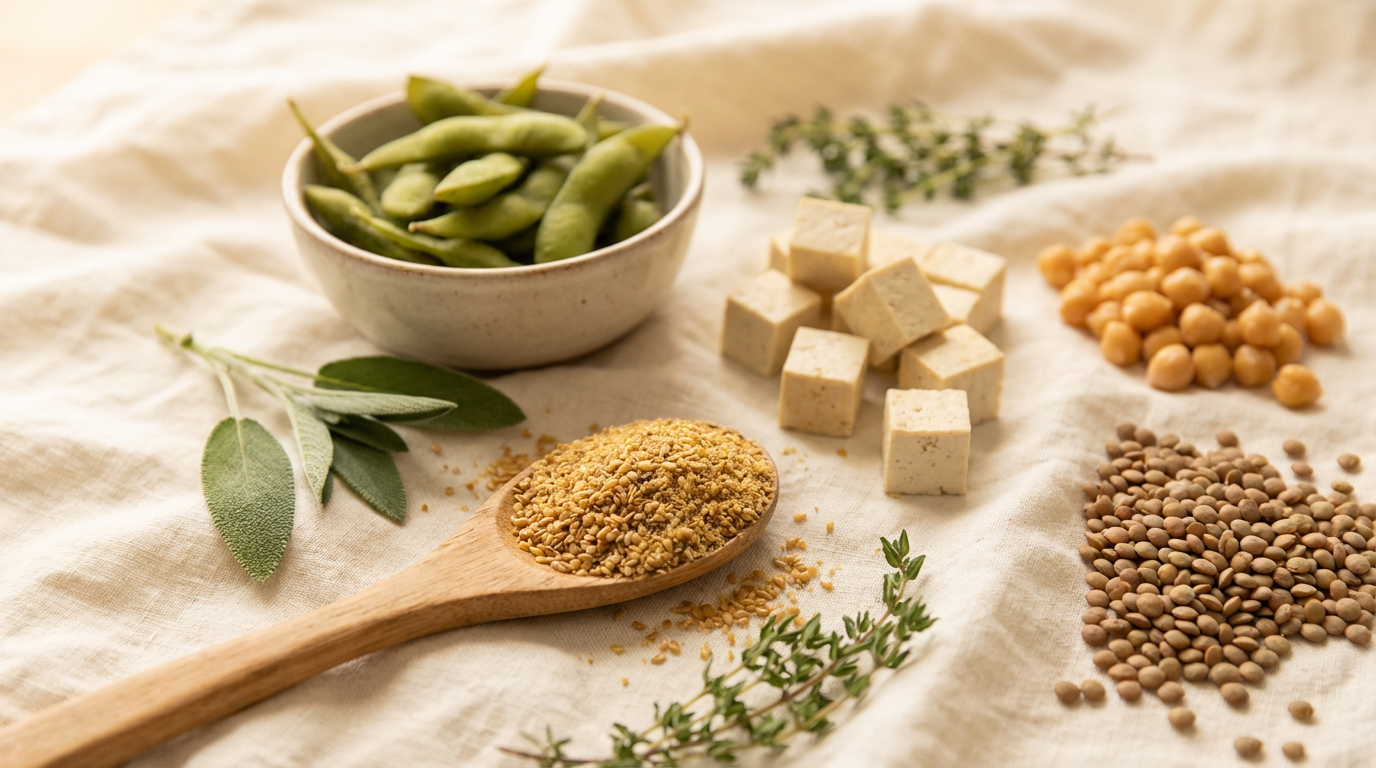
Soy contains isoflavones — a potent type of phytoestrogen — including genistein and daidzein. A 2025 systematic review and meta-analysis found that soy isoflavones were effective for treating a range of menopausal symptoms, with notable benefits for psychological symptoms and mood [2].
Whole soy foods (tofu, tempeh, edamame, unsweetened soy milk) are preferable to processed soy products. Try adding firm tofu to a stir-fry, or snacking on edamame as an afternoon option.
2. Flaxseeds
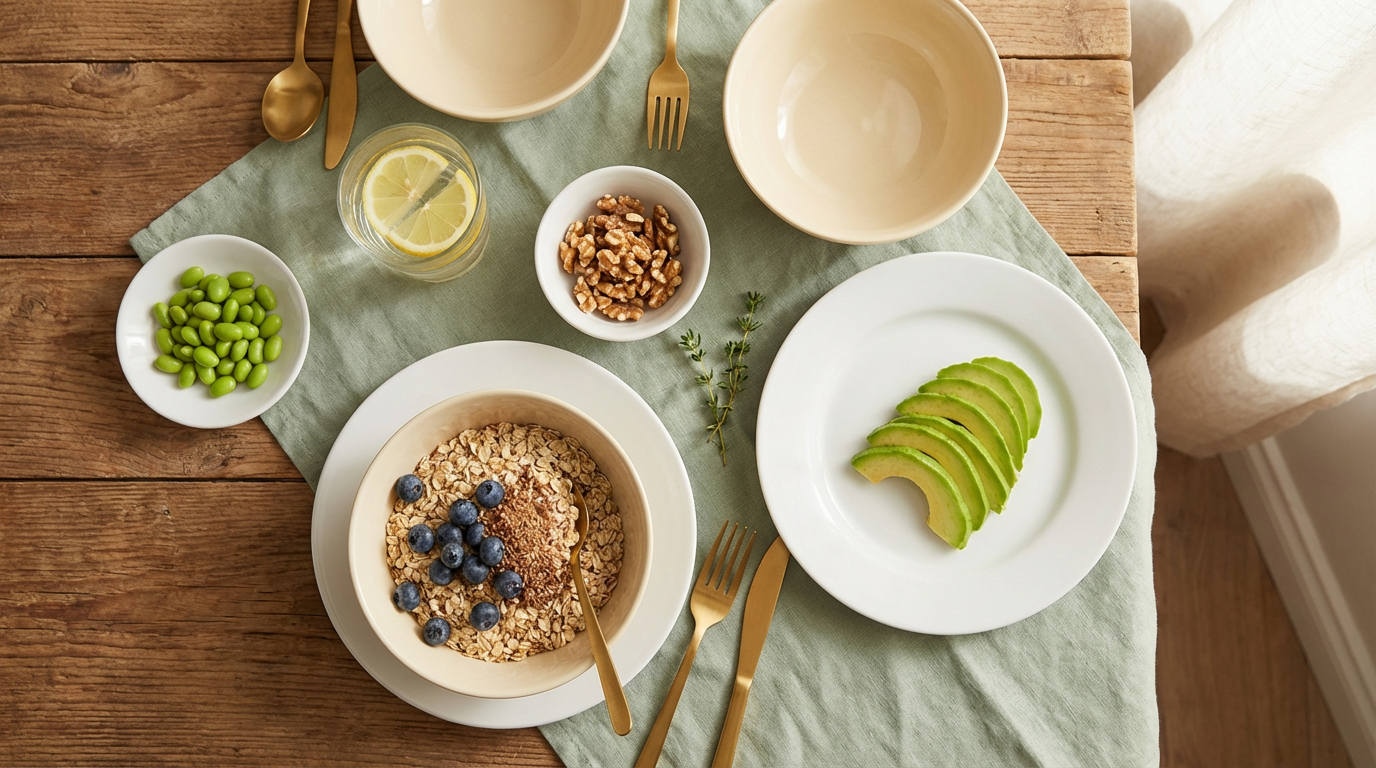
Flaxseeds are among the richest dietary sources of lignans, another class of phytoestrogen. They also provide excellent fibre, which supports gut health and assists the body in clearing spent hormones [1]. Ground flaxseeds are easier to digest than whole seeds — stir a tablespoon into oatmeal, a smoothie, or yoghurt daily.
3. Legumes (Chickpeas, Lentils)
Chickpeas and lentils provide phytoestrogens alongside plant-based protein, B vitamins, and soluble fibre. Their fibre content supports hormone clearance through the digestive system, and B vitamins play a role in mood regulation and nervous system function.
Anti-Inflammatory Foods for Symptom Support
Chronic low-grade inflammation rises during menopause and may worsen symptoms such as joint pain, fatigue, and brain fog. Anti-inflammatory foods help counteract this process.
4. Oily Fish (Salmon, Sardines, Mackerel)
Oily fish are rich in long-chain omega-3 fatty acids (EPA and DHA), which reduce inflammation and support brain and cardiovascular health. Evidence suggests omega-3s may offer some benefit for mood and vasomotor symptoms, though results across trials are mixed [1]. Aim for two servings per week. Tinned sardines or salmon are cost-effective, widely available options.
5. Berries (Blueberries, Raspberries, Strawberries)
Berries provide anthocyanins and other antioxidants that combat oxidative stress — a driver of inflammation and cellular ageing. Their natural fibre content also helps regulate blood sugar, which matters for hormonal stability, particularly when insulin sensitivity declines during menopause.
6. Avocados
Avocados offer monounsaturated fats that serve as building blocks for steroid hormone production, including oestrogen and progesterone. Their magnesium content may also support cortisol regulation, helping to ease anxiety and sleep disturbance.
7. Walnuts and Other Nuts
Walnuts provide alpha-linolenic acid (ALA, a plant-based omega-3), melatonin, and magnesium. Regular nut consumption supports cardiovascular health, and magnesium may assist with sleep and stress management — two common challenges during menopause.
8. Extra Virgin Olive Oil
A key pillar of the Mediterranean dietary pattern, extra virgin olive oil provides oleocanthal and other polyphenols with anti-inflammatory properties. An Australian cross-sectional study found that specific components of Mediterranean-style eating, including olive oil and legume intake, were associated with better general health in perimenopausal and menopausal women [3].
Tip: Drizzle extra virgin olive oil over roasted vegetables, use it as a salad dressing base, or add it to grain bowls — it's one of the easiest dietary upgrades you can make.
Want a plan that fits your life? Our menopause-focused nutritionists and doctors can tailor dietary and medical support to your stage, symptoms, and preferences. Book a bulk-billed consultation — no referral needed.
Bone and Metabolic Support Foods
After menopause, osteoporosis risk rises significantly as oestrogen — which helps protect bone density — declines. Supporting bone and metabolic health through diet is a practical, everyday action.
9. Leafy Green Vegetables (Kale, Spinach, Swiss Chard)
Leafy greens provide calcium, magnesium, and vitamin K — three nutrients essential for bone mineralisation and density. They are also among the richest dietary sources of magnesium, which supports cortisol balance and has been linked to reduced anxiety and improved sleep quality [1].
10. Dairy Products (Milk, Yoghurt, Cheese)
Dairy provides calcium, phosphorus, vitamin D, and protein — all critical for bone density during and after menopause. Tryptophan in dairy may also support sleep quality. If you are lactose-intolerant, calcium-fortified plant milks (soy, oat, almond) are a practical alternative.
11. Tinned Sardines and Anchovies
For women who prefer non-dairy calcium sources, tinned sardines and anchovies eaten with their soft bones are a practical option. They also provide vitamin D and omega-3 fatty acids — a nutrient-dense, affordable choice.
12. Whole Grains (Oats, Quinoa, Brown Rice, Barley)
Declining oestrogen reduces insulin sensitivity, which can make blood sugar management more challenging [1]. Whole grains provide complex carbohydrates and fibre that slow glucose release, help maintain stable energy, and reduce insulin spikes. Oats also contain beta-glucan, a soluble fibre with cardiovascular benefits. If weight management is a goal, whole grains support satiety better than refined carbohydrates.
Gut Health and Hormone Clearance
Your gut microbiome plays a direct role in oestrogen metabolism. Specialised bacteria in the gut (the 'oestrobolome') produce enzymes that help process and recirculate oestrogen. A diverse, fibre-rich diet supports these processes.
13. Probiotic-Rich Foods (Kefir, Live Yoghurt, Kimchi)
Probiotic foods introduce beneficial bacteria that maintain gut diversity. A healthy gut microbiome supports oestrogen processing, serotonin production, and immune regulation [1]. Aim for a small serve of fermented food daily — kimchi with dinner, live yoghurt at breakfast, or kefir as a snack.
14. Prebiotic Foods (Garlic, Onions, Leeks)
Prebiotic foods feed beneficial bacteria already present in your gut. Garlic, onions, and leeks are rich in fructo-oligosaccharides — the preferred fuel for gut microbiome diversity — supporting the gut environment needed for healthy hormone clearance.
15. Cruciferous Vegetables (Broccoli, Cauliflower, Cabbage)
Cruciferous vegetables contain compounds including indole-3-carbinol (I3C) and diindolylmethane (DIM) that support oestrogen metabolism in the liver and gut. They also provide fibre, calcium, and antioxidants, making them one of the most nutritionally complete choices for menopausal women.
Tip: You don't need to overhaul your entire diet at once. Start by adding one or two foods from each category each week. Small, consistent changes add up to lasting support for your menopause symptoms.
What to Limit During Menopause
Certain foods and habits can amplify symptoms or worsen hormonal imbalance:
- Refined sugar and processed carbohydrates: Rapid glucose spikes worsen insulin resistance, drive inflammation, and can intensify mood swings and fatigue.
- Alcohol: Even moderate intake can disrupt sleep, trigger hot flushes, and affect hormonal metabolism. Reducing or avoiding alcohol is one of the most impactful dietary changes menopausal women can make.
- Caffeine: Excess caffeine stimulates cortisol production and can exacerbate anxiety, palpitations, and sleep disturbance in some women.
- High-sodium processed foods: Excess sodium affects blood pressure and fluid retention, both of which may worsen during menopause.
Frequently Asked Questions
Can food alone manage menopause symptoms?
Diet is valuable but works best as one component of a broader approach. For women with moderate to severe symptoms, personalised medical support — including hormone therapy options — provides more comprehensive relief. A menopause-focused healthcare provider can help you understand your options.
How much soy is safe to eat during menopause?
Current evidence suggests two to three serves of whole soy foods daily (tofu, edamame, or unsweetened soy milk) is safe and potentially beneficial for most menopausal women. If you have a history of hormone-sensitive cancers, discuss soy intake with your doctor first.
Do I need supplements, or can I get what I need from food?
A varied, nutrient-dense diet covers most needs, but vitamin D deficiency is common in Australia and calcium or magnesium intakes are often low. A GP or nutritionist can assess your individual needs and recommend supplementation if required.
How long before I notice changes from adjusting my diet?
Dietary changes typically take weeks to months to produce noticeable effects. Consistent, sustained changes are more effective than short-term interventions.
Conclusion
The 15 hormone-balancing foods covered here — soy, flaxseeds, oily fish, leafy greens, fermented foods, and whole grains — are practical additions to an everyday Australian diet. Most are available at your local supermarket, no special products required.
Nutrition works best as part of a holistic approach that includes regular movement, stress management, quality sleep, and personalised medical support when needed. Every woman's menopause journey is different, and your care should reflect that.
If you're looking for guidance tailored to your individual needs, the Australian Menopause Centre offers telehealth consultations with menopause-focused doctors, naturopaths, and nutritionists — accessible from anywhere in Australia, with no referral required.
This information is for educational purposes only and is not medical advice. Consult your healthcare provider for personalised recommendations. Treatment decisions should be individualised based on your medical history and circumstances.
References
- Erdélyi, A., Pálfi, E., Tűű, L., Nas, K., Szűcs, Z., Török, M., Jakab, A., & Várbíró, S. (2023). The importance of nutrition in menopause and perimenopause — a review. Nutrients, 16(1), 27. https://doi.org/10.3390/nu16010027
- Luan, H., Liu, Q., Guo, Y., Fan, H., Sileng, A., & Lin, J. (2025). Effects of soy isoflavones on menopausal symptoms in perimenopausal women: a systematic review and meta-analysis. PeerJ, 13, e19715. https://doi.org/10.7717/peerj.19715
- Byrne-Kirk, M., Mantzioris, E., Scannell, N., & Villani, A. (2024). Adherence to a Mediterranean-style diet and severity of menopausal symptoms in perimenopausal and menopausal women from Australia: a cross-sectional analysis. European Journal of Nutrition, 63(7), 2743–2751. https://doi.org/10.1007/s00394-024-03462-3
